
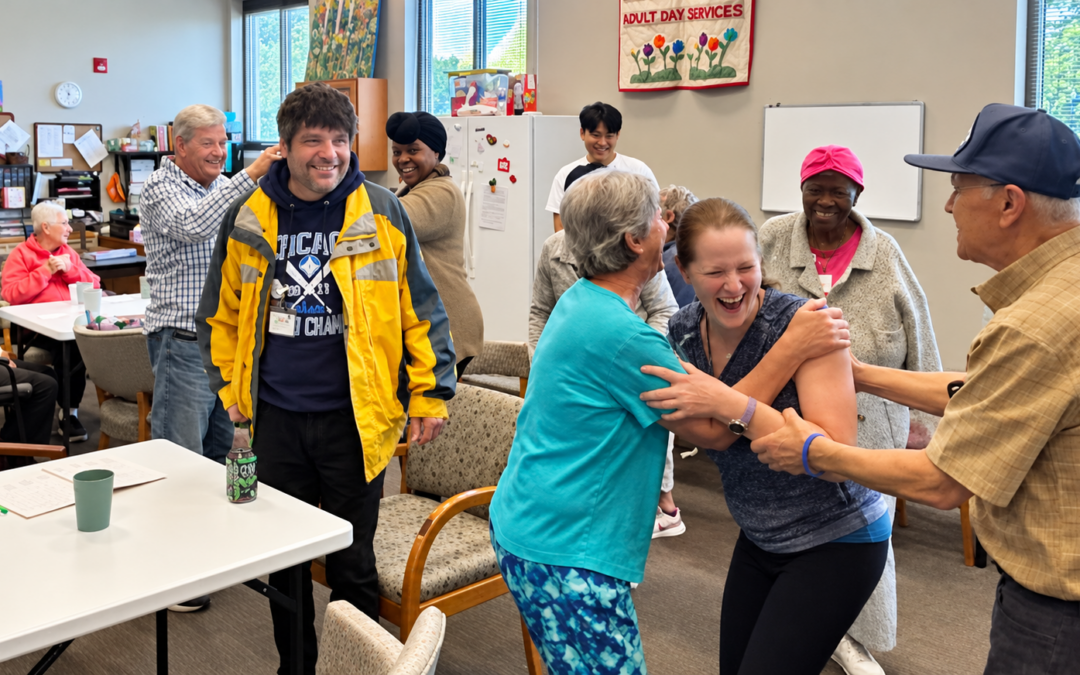
How Adult Day Services Reduce Hospitalizations and Keep Older Adults Safely at Home
Older adults—especially those living with dementia or chronic health conditions—face a high risk of avoidable hospitalizations. Falls, medication errors, dehydration, infections, and sudden behavioral changes often escalate quickly when someone is isolated or lacks daytime support. Adult Day Services provide a powerful solution, offering structured care that keeps participants healthier, more stable, and more connected.
This article explains how Adult Day Centers significantly reduce hospitalizations and improve quality of life for both participants and caregivers.
🧠 Early Detection of Health Changes
Daily interaction with trained staff means subtle changes are noticed early—before they become emergencies. Staff monitor:
- Appetite and hydration
- Mobility and gait
- Mood or cognitive changes
- Signs of infection
- Blood pressure or glucose fluctuations
Early detection allows families and healthcare providers to intervene quickly, preventing unnecessary ER visits.
💊 Medication Support Prevents Errors
Medication mistakes are one of the leading causes of preventable hospitalizations among older adults. Adult Day Centers help by:
- Providing medication reminders
- Ensuring doses aren’t missed
- Monitoring for side effects
- Communicating with families about prescription changes
Consistent oversight stabilizes chronic conditions like diabetes, hypertension, and heart disease.
🏃 Fall Prevention Through Daily Activity
Falls are a major cause of ER visits. Adult Day Services reduce fall risk through:
- Strength and balance exercises
- Safe, supervised movement
- Mobility assistance
- A secure, accessible environment
Regular activity improves confidence, coordination, and overall physical stability.
🥗 Nutritious Meals & Hydration Support
Malnutrition and dehydration often lead to hospitalization. Adult Day Centers provide:
- Balanced meals
- Hydration throughout the day
- Special diet accommodations
- Monitoring appetite changes
This is especially important for individuals with dementia, who may forget to eat or drink.
🧩 Cognitive Engagement Reduces Behavioral Crises
Isolation and boredom can trigger behaviors that lead to emergency care. Structured engagement helps:
- Reduce agitation
- Improve mood
- Maintain routine
- Prevent wandering or unsafe behaviors
Participants feel calmer, more oriented, and more connected.
👨👩👧 Caregiver Relief Prevents Crisis Situations
Caregiver burnout often leads to rushed hospital visits or emergency calls. Adult Day Services provide essential respite:
- Allowing caregivers to work
- Reducing stress and decision fatigue
- Supporting long‑term caregiving stability
When caregivers are rested, they can respond more effectively to health changes.
🏥 Coordination With Healthcare Providers
Adult Day Centers often collaborate with physicians, home health agencies, and families. This coordination ensures:
- Faster response to health changes
- Better chronic disease management
- Fewer unnecessary ER visits
- Improved continuity of care
Participants benefit from a team‑based approach that keeps them stable and supported.
📉 The Bottom Line
Adult Day Services are one of the most effective community‑based supports for preventing avoidable hospitalizations. By combining supervision, engagement, health monitoring, and caregiver relief, centers help older adults remain safely at home—healthy, connected, and thriving.